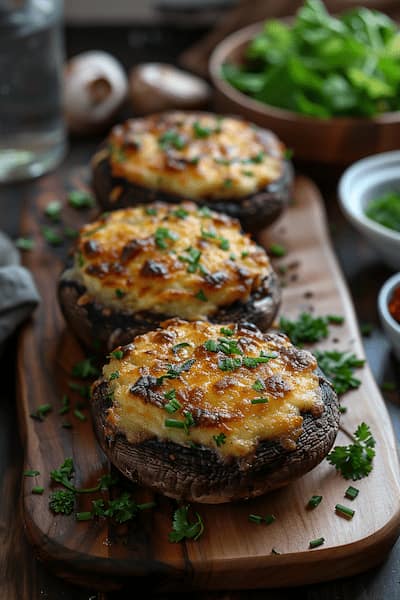
A creamy, protein-packed breakfast that feels cozy, simple, and surprisingly fancy.
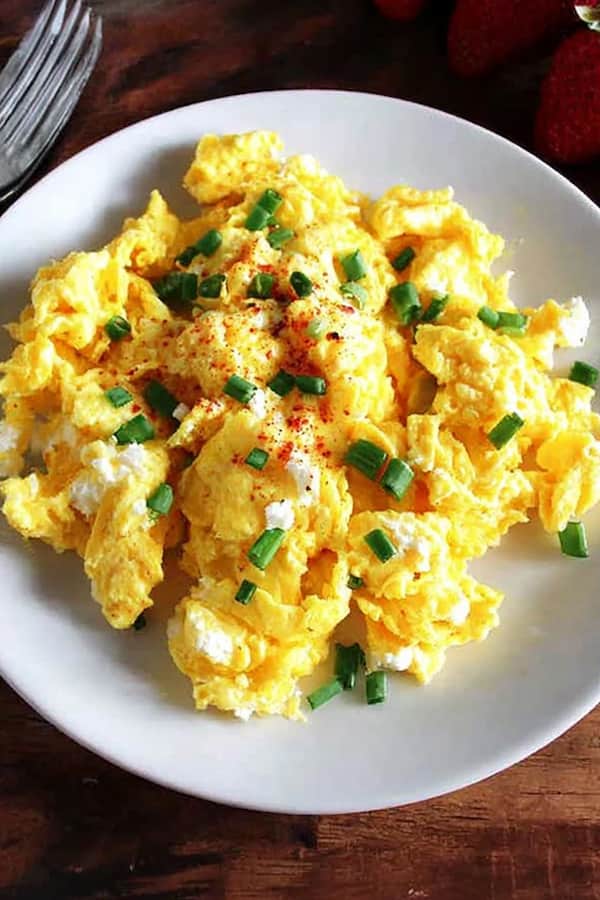
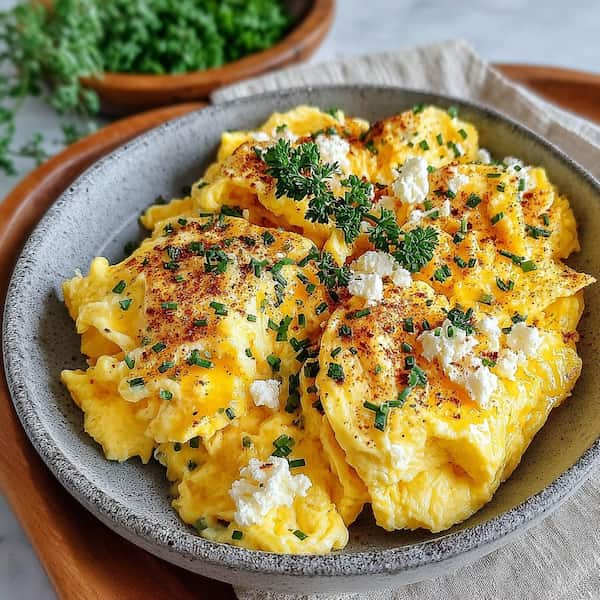
I’ve made countless variations over the years, but this version — scrambled eggs folded with creamy cottage cheese — stands out.
It’s soft, fluffy, and has just the right hint of richness without being heavy. I started making this on busy weekdays when I needed something fast but still satisfying, and now it’s one of those recipes I return to again and again.
Why This Breakfast Works
Scrambled eggs can be many things — silky, dry, fluffy, or dense. It all depends on how you treat them. The cottage cheese changes everything. It adds moisture, a mild tang, and a bit of protein, but it doesn’t steal the spotlight. Instead, it melts into the eggs, creating a texture that feels almost like you stirred in a spoonful of cream.
There’s no complicated technique here. The magic comes from gentle heat and a little patience. Once you’ve made it like this, the classic version will probably taste a little flat.
My First Attempt (And What I Learned)
The first time I tried this combination, I made the mistake of cranking the heat too high. The eggs cooked too fast and the cottage cheese released water instead of melting into the mixture. It wasn’t bad, but it wasn’t what I wanted.
A few tries later, I realized slow cooking was the secret. Medium-low heat gives the curds time to soften and blend with the eggs. The result is a creamier scramble that stays tender instead of rubbery.
This is the version I’ve perfected over the years — the one I’d serve to someone who claims they “don’t like cottage cheese.” Trust me, even skeptics usually end up taking another bite.
Ingredients
Serves 2
- 4 large eggs
- ½ cup cottage cheese (full-fat gives the softest texture)
- 1 tablespoon butter or olive oil
- ¼ teaspoon salt
- A pinch of black pepper
- Optional: sliced chives, chopped spinach, cherry tomatoes, or shredded cheese for topping
Beat the Eggs Gently
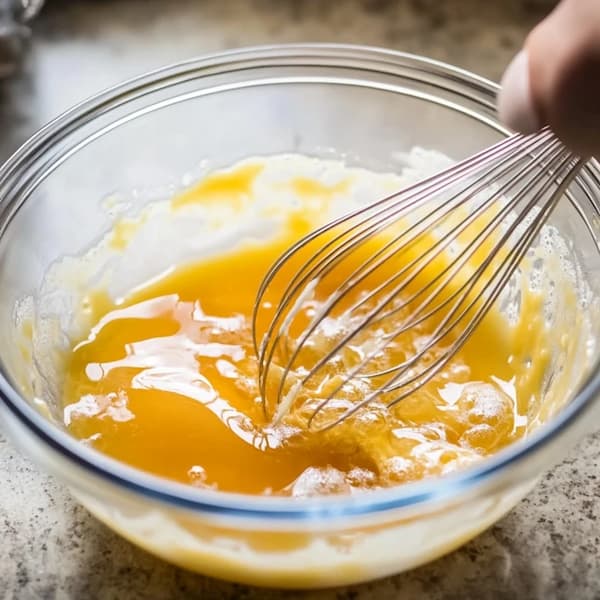
Crack the eggs into a bowl. Give them a light whisk — not too aggressive. You want them combined, but you don’t need a foamy mixture. A simple back-and-forth motion with a fork works well.
This step sets the tone. Over-beating can actually make the final scramble a bit rubbery, so keep it relaxed.
Add the Cottage Cheese
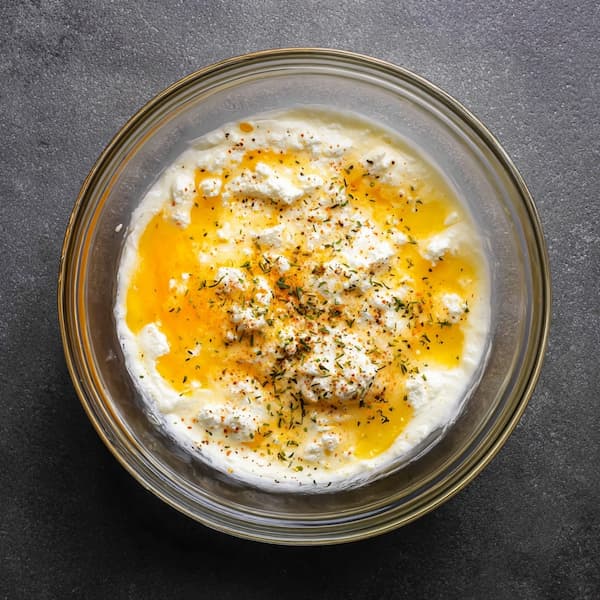
Stir in the cottage cheese. You don’t need to blend it fully; a few visible curds are completely fine. They’ll melt into the eggs as they cook.
This step is where the texture begins. Cottage cheese adds moisture, so your scrambled eggs stay soft instead of drying out on the pan.
Warm the Pan Slowly
Place a medium non-stick skillet over medium-low heat. Drop in the butter or oil and let it warm gently. Once it’s melted and the surface glistens, you’re ready to start cooking.
If the pan is smoking or sizzling loudly, the heat is too high.
Cook Low and Slow
Pour the egg mixture into the warm pan. Let it sit for a few seconds, just long enough for the edges to start setting. Then, with a spatula, slowly pull the eggs from the edges toward the center.
This slow movement helps create soft, large curds instead of tiny, dry ones.
You’ll start to notice the cottage cheese melting into the eggs. Don’t rush. The mixture will look slightly glossy before it fully sets, which is exactly what you want.
Remove From Heat Early
Once the eggs look almost done — still a little shiny and soft — remove the pan from the heat. The residual warmth will finish cooking them without drying them out.
Season with salt and pepper. If you want extra flavor, sprinkle fresh chives or add a handful of greens while the eggs are still warm.
Why Cottage Cheese Elevates the Eggs
There’s something special about the way cottage cheese melts. It turns the eggs silky without needing cream or milk. Plus, it adds a small boost of protein, which makes the breakfast more filling.
The flavor is mild enough that it doesn’t take over. Instead, it blends into the background, giving the scramble a soft, almost cloud-like texture.
Add-In Ideas to Switch Things Up
Quick Veggie Boost
If you want to turn this into a full meal, try adding chopped spinach or a handful of halved cherry tomatoes. Toss them in the pan for a minute before adding the egg mixture so they soften slightly.
A Bit of Heat
If you like a spicy kick, a pinch of chili flakes works beautifully. Add them right after the eggs go in so they bloom in the warmth.
Cheesy Upgrade
If you’re in the mood for something richer, sprinkle a bit of shredded mozzarella or cheddar over the eggs in the final minute of cooking.
Tips for the Best Results
These are little details that truly change the outcome:
Keep the heat gentle
High heat makes eggs tough. Slow cooking keeps them delicate.
Use full-fat cottage cheese
It melts better and has a smoother taste.
Don’t over-stir
Let the eggs sit between movements so you get soft folds instead of tiny pieces.
Season at the end
Salt added too early can make the eggs watery. A quick sprinkle at the end is perfect.
What to Serve With These Eggs
Although this dish works beautifully on its own, it pairs well with toasted sourdough, a sliced avocado, or even a small bowl of fruit. It’s versatile enough to fit into a quick weekday breakfast or a slow weekend brunch.
If you’re tracking macros or simply trying to increase your protein intake, this is one of the easiest ways to start the day strong.
Can I Use Low-Fat Cottage Cheese?
Yes, you can. The trade-off is texture. Low-fat versions have more liquid, so the final eggs might be a bit softer and not as creamy. If that doesn’t bother you, feel free to use whichever version you already have at home.
Can I Make This Recipe Ahead of Time?
Scrambled eggs are always best fresh. They lose fluffiness as they sit. However, if you absolutely need to meal-prep, cook them slightly under and store them in an airtight container. When reheating, use very low heat so they don’t dry out.
Ingredients
Method
- Crack the eggs into a bowl. Give them a light whisk — not too aggressive. You want them combined, but you don’t need a foamy mixture
- Stir in the cottage cheese. You don’t need to blend it fully; a few visible curds are completely fine. They’ll melt into the eggs as they cook.
- Place a medium non-stick skillet over medium-low heat. Drop in the butter or oil and let it warm gently.
- Pour the egg mixture into the warm pan. Let it sit for a few seconds, just long enough for the edges to start setting. Then, with a spatula, slowly pull the eggs from the edges toward the center.
- Once the eggs look almost done — still a little shiny and soft — remove the pan from the heat.
- Season with salt and pepper.