
Finding that perfect morning ritual is like discovering a secret gear in your brain that actually works. For me, switching from a jittery third cup of coffee to a smooth, vibrant matcha latte was the game-changer my nervous system desperately needed.
It’s not just a drink; it’s a bright green dose of calm focus that looks as good as it tastes.
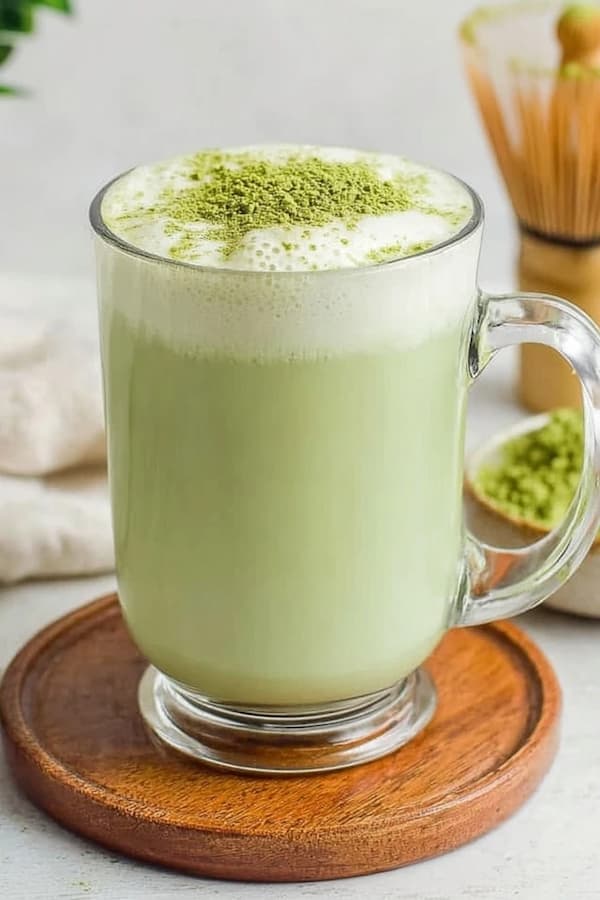
Ingredients
To get that coffee-shop quality at home, you need to start with the right components. This recipe makes 1 serving, but it’s so easy to scale up if you’re hosting a brunch or making one for a partner.
- 1 to 1.5 teaspoons ceremonial grade matcha powder
- 2 ounces hot water
- 8 ounces milk of your choice (oat milk is great)
- 1 to 2 teaspoons maple syrup or honey (optional)
- A tiny pinch of sea salt
- Ice cubes (if you’re going for the iced version)
The Grade
Let’s have a heart-to-heart about the powder itself because this is where most people go wrong. If you buy “culinary grade” matcha for a latte, you’re going to end up with a drink that tastes like bitter lawn clippings and looks like swamp water.
Culinary grade is meant for baking into cookies or cakes where the sugar and flour can hide the punch.
For a latte, you want ceremonial grade. It should be a vibrant, almost neon electric green. This version is made from the youngest tea leaves, which are stone-ground into a silk-like powder. It has a natural sweetness and a “umami” depth that doesn’t need a gallon of sugar to be palatable.
Yes, it’s a bit more of an investment, but since you’re saving five bucks a day by not going to the cafe, it pays for itself in a week.
Sift Everything
I know, you’re in a hurry. But matcha is prone to clumping due to static electricity. If you don’t sift the powder through a fine-mesh strainer into your bowl, you’ll end up with little “flavor bombs” of dry powder in your latte. Sift it until it looks like green cocoa powder.
Temperature Check
Never, ever use boiling water. Boiling water “burns” the delicate tea leaves and brings out a harsh, astringent bitterness. If you don’t have a temperature-controlled kettle, just let your boiling water sit for about two minutes before pouring.
You’re aiming for that sweet spot where it’s hot enough to dissolve the tea but gentle enough to keep it sweet.
The Whisk
Traditionalists use a bamboo whisk (a chasen), and there’s something very meditative about that. You move it in a “W” or “M” motion—not a circle—to create a thick, frothy crema on top.
If you don’t have one, a handheld electric milk frother works wonders in a pinch. Just make sure there are no clumps left at the bottom.
Milk Magic
The milk is the body of your latte. Oat milk is the darling of the matcha world because its natural creaminess and slight grain-sweetness complement the earthy tea perfectly. If you’re using dairy, go for whole milk.
Heat it until it’s steamy but not boiling, then froth it until it has micro-foam (those tiny bubbles that look like wet paint).
The Assembly
Pour your bright green matcha shot into your favorite mug. If you like it sweet, stir in your maple syrup now while the tea is hot. Slowly pour the frothed milk over the top. If you’re feeling fancy, try to hold back the foam with a spoon and then dollop it on top at the very end.
Flavor Hacks
If you want to move beyond the basic latte, there are a few “top-chef” ways to elevate this. A tiny drop of vanilla extract can make the latte taste like a melted milkshake. Some people swear by adding a pinch of cinnamon or even a dash of lavender syrup for a floral twist.
My personal favorite? The salt trick. Adding just a tiny, almost invisible pinch of sea salt to the matcha paste before adding the milk suppresses any lingering bitterness and makes the “green” flavor pop. It’s the same logic behind putting salt in chocolate—it creates a more complex, rounded flavor profile.
Why Is My Homemade Matcha Always Bitter Compared To Cafes?
The bitterness usually comes down to two culprits: water temperature and tea quality. If you used boiling water (212°F), you’ve essentially cooked the tea leaves, releasing tannins that taste like bitter chemicals.
Always aim for about 175°F. Secondly, if your powder looks olive green or brownish instead of bright emerald, it has likely oxidized or was a lower grade to begin with.
Store your matcha in a cool, dark place (even the fridge!) in an airtight container to keep it fresh. Matcha is very sensitive to light and heat, so treat it like a delicate spice rather than a sturdy coffee bean.
Can I Make This Into An Iced Matcha Latte Without Clumps?
Yes, and it’s actually one of the most refreshing drinks on the planet. To avoid the dreaded “clump at the bottom of the glass” syndrome, you still need to whisk the matcha with a small amount of hot water first to create a smooth concentrate.
Once you have that “matcha shot,” fill a glass with ice, pour in your cold milk of choice, and then pour the matcha shot over the top. The swirl effect is beautiful for photos, and because the powder was already dissolved in hot water, it will stay perfectly smooth even as it hits the ice.
The Ritual
There’s something about the process of making matcha that forces you to slow down. You can’t rush the sifting, and you can’t rush the whisking. In a world that’s constantly demanding we go faster, the three minutes it takes to prep this drink can be your “quiet zone.”
When you take that first sip, you get that hit of L-theanine—the amino acid in matcha that provides “calm energy.” Unlike coffee, which can feel like a spike and a crash, matcha is a slow burn. It keeps you alert but your heart isn’t racing. It’s the perfect companion for a morning of deep work or a slow Sunday curled up with a book.
Would you like me to create a guide on how to store your matcha properly to keep it from losing its color, or perhaps a list of the best plant-based milks for frothing?