Thai iced tea is a vibrant, creamy drink that provides a sweet escape on a hot afternoon. This classic beverage is famous for its deep orange color and the unique floral aroma that comes from a specific blend of black tea and spices.
Once you learn the right ratio of tea to milk, you can skip the takeout and enjoy this refreshing treat at home anytime.
Ingredients
This recipe makes 2 large servings, perfect for sharing with a friend or keeping a second glass ready in the fridge.
- 1/2 cup Thai tea mix (loose leaf)
- 2 cups water
- 2 tablespoons granulated sugar
- 2 tablespoons sweetened condensed milk
- 2 tablespoons evaporated milk (or half-and-half)
- 1 star anise (optional for extra spice)
- Plenty of crushed ice
The Brew
The foundation of a top-notch Thai iced tea starts with the right tea leaves. Authentic Thai tea isn’t just plain black tea; it is a specific mixture that usually includes star anise, crushed tamarind seeds, and sometimes cardamom.
This blend is what gives the drink its signature “earthy” and spiced flavor profile. If you use standard orange pekoe or English breakfast tea, you will miss that nostalgic taste that makes this drink so special.
When you brew the tea, you want to make it much stronger than a standard cup of hot tea. Because you will be adding ice and heavy milks, the tea base needs to be concentrated so the flavor doesn’t get lost or watered down. A long steep time is necessary here.
While five minutes is enough for a hot mug, we let this sit for at least twenty minutes to ensure every bit of color and spice is pulled from the leaves.
Water Boil
Start by bringing two cups of water to a rolling boil in a small pot. If you want to add an extra layer of spice, drop in a whole star anise or a cinnamon stick while the water heats up.
Using filtered water can also help keep the tea flavor clean, as it removes any mineral tastes that might interfere with the delicate spices in the Thai mix.
Deep Steep
Turn off the heat and stir in the loose Thai tea mix. Give it a good stir to make sure all the leaves are submerged. Cover the pot with a lid and set a timer for 20 to 30 minutes.
The water will turn a dark, almost blood-red color during this time. This is exactly what you want. A deep, dark brew is the only way to get that bright orange look later on.
Sugar Stir
While the tea is still warm, add the granulated sugar. Stir it until you can no longer see any crystals at the bottom of the pot. Dissolving the sugar in warm liquid is much more effective than trying to stir it into a cold drink later.
If you prefer a less sweet tea, you can start with one tablespoon of sugar, but remember that the bitterness of the strong tea usually needs a good amount of sweetness to balance it out.
Fine Strain
Once the tea has finished steeping, you need to strain it carefully. Thai tea mix consists of very fine particles that can make the drink gritty if they aren’t removed.
Use a fine-mesh strainer or, even better, a traditional “sock” filter made of cloth. Pour the tea into a glass pitcher and let it cool down to room temperature before placing it in the refrigerator to chill completely.
Ice Pack
Fill two tall glasses to the brim with ice. Crushed ice is the best choice for Thai tea because it has more surface area to chill the hot tea instantly and gives the drink a great texture.
Pour the chilled tea over the ice, leaving about an inch of space at the top of each glass. You should see the ice shift and settle as the liquid fills the gaps.
The Float
This is the most satisfying part of the process. Slowly pour one tablespoon of sweetened condensed milk over the top of the tea, followed by a tablespoon of evaporated milk. Do not stir it immediately.
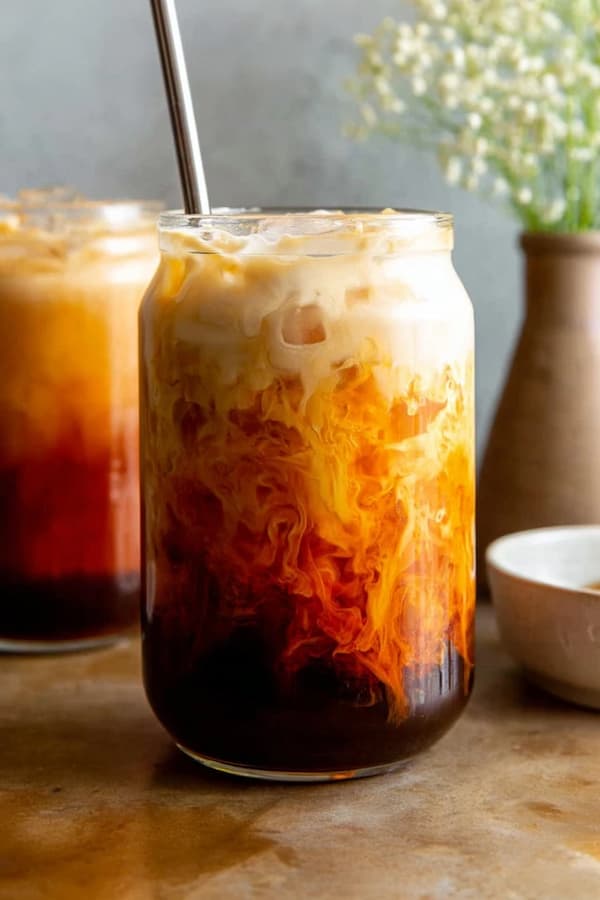
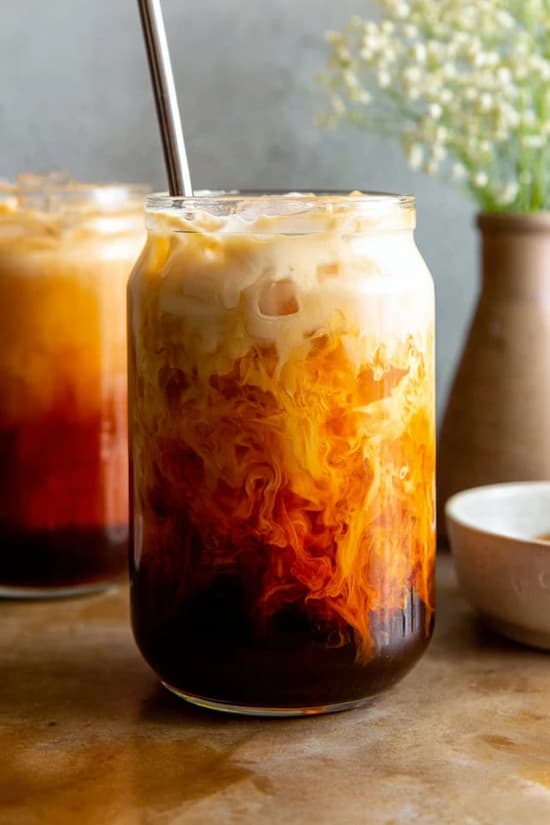
The white milk will slowly bloom and swirl down into the dark orange tea, creating a beautiful marbled effect. Give it a gentle swirl with a straw right before you take your first sip.
Better Bloom
To get a “top-notch” visual effect, the order of the milks matters. Sweetened condensed milk is very heavy and will sink to the bottom quickly.
Evaporated milk is lighter and tends to stay near the top for longer. By using both, you get a gradient of color that looks professional.
If you want a dairy-free version, coconut milk is a fantastic substitute that actually enhances the tropical flavors of the tea blend.
Another tip for a better bloom is to make “tea ice cubes.” If you hate it when your drink gets watery as the ice melts, freeze some of your brewed Thai tea in an ice cube tray.
Using these cubes ensures that your drink stays flavor-packed from the first sip to the very last drop. It takes a little more planning, but it is a total game-changer for iced tea lovers.
Common Pitfalls
The biggest mistake is not steeping the tea long enough. If the tea is weak, the milk will completely overwhelm the flavor, and you will end up with a glass of orange-colored milk rather than spiced tea.
Don’t be afraid of the tea looking too dark in the pot. Once you add the white milk, that darkness is what transforms into the iconic bright orange glow.
Another issue is the temperature. If you pour hot tea directly onto ice without letting it cool first, the ice will melt instantly. This results in a lukewarm, watery drink. Always take the time to let the tea reach at least room temperature.
If you are in a rush, you can place the pitcher of hot tea in a larger bowl filled with ice water to speed up the cooling process safely.
Why Is My Thai Tea Orange?
Many people wonder how a black tea blend turns such a bright, neon orange color. In traditional recipes, this was often a natural result of the spices and seeds used in the mix. However, most modern Thai tea brands include a small amount of food coloring (usually Yellow No. 6) to ensure that consistent, vibrant look that everyone expects.
If you prefer to avoid food dye, you can find organic brands that use beet powder or turmeric for color, though the shade may be slightly more muted and earthy.
Can I Make This Recipe With Tea Bags?
Yes, you can use Thai tea bags if you cannot find the loose-leaf mix. However, because the bags contain less surface area, you may need to use four or five bags to get the same strength as a half-cup of loose leaves.
Make sure you don’t squeeze the bags too hard when you remove them, as this can release tannins that make the tea taste bitter or “dry.”
Loose leaf is generally preferred by enthusiasts because it allows the water to circulate more freely around the spices and tea bits.
Ingredients
Method
- Start by bringing two cups of water to a rolling boil in a small pot. If you want to add an extra layer of spice, drop in a whole star anise or a cinnamon stick while the water heats up.
- Turn off the heat and stir in the loose Thai tea mix. Give it a good stir to make sure all the leaves are submerged. Cover the pot with a lid and set a timer for 20 to 30 minutes. The water will turn a dark, almost blood-red color during this time.
- While the tea is still warm, add the granulated sugar. Stir it until you can no longer see any crystals at the bottom of the pot. Dissolving the sugar in warm liquid is much more effective than trying to stir it into a cold drink later.
- Once the tea has finished steeping, you need to strain it carefully. Use a fine-mesh strainer or, even better, a traditional “sock” filter made of cloth. Pour the tea into a glass pitcher and let it cool down to room temperature before placing it in the refrigerator to chill completely.
- Fill two tall glasses to the brim with ice. Crushed ice is the best choice for Thai tea because it has more surface area to chill the hot tea instantly and gives the drink a great texture.
- Pour the chilled tea over the ice, leaving about an inch of space at the top of each glass. You should see the ice shift and settle as the liquid fills the gaps.
- Slowly pour one tablespoon of sweetened condensed milk over the top of the tea, followed by a tablespoon of evaporated milk. Do not stir it immediately.
- The white milk will slowly bloom and swirl down into the dark orange tea, creating a beautiful marbled effect. Give it a gentle swirl with a straw right before you take your first sip.