
If there’s one sauce that can instantly transform a meal from good to unforgettable, it’s chimichurri. This vibrant, punchy green sauce hails from Argentina, where it’s a staple for grilled meats, but honestly — it goes with everything.
The good news? Chimichurri is shockingly easy to make. No cooking. No fancy equipment. Just a few fresh ingredients, chopped up and stirred together into a sauce that’s so good you’ll want to eat it with a spoon.
Save This Pin For Later
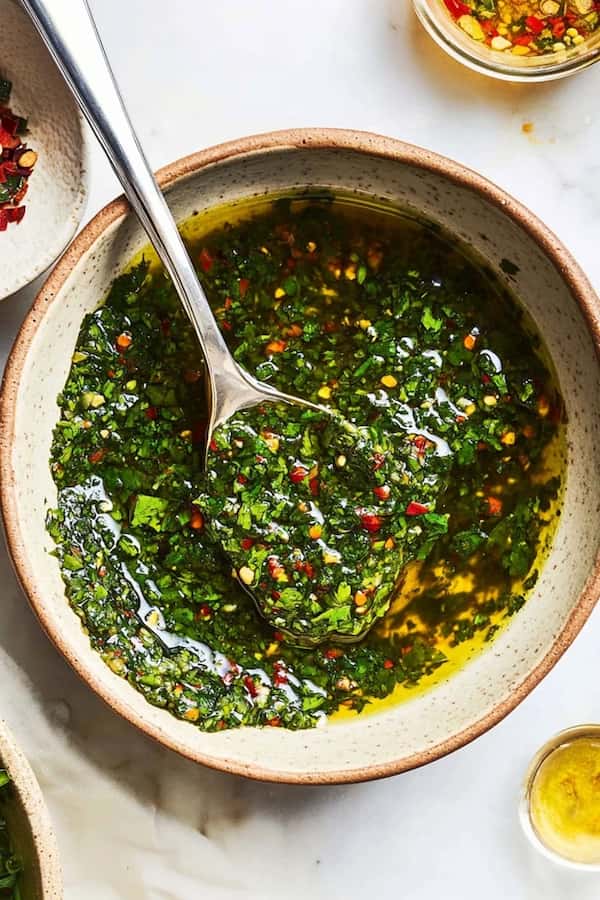
Why This Chimichurri Recipe is Always in My Fridge
Chimichurri is one of those kitchen staples that turns you into the person everyone asks for the recipe.
Here’s why I love it:
- No cooking required. Just chop, mix, and you’re done.
- Incredibly versatile. Spoon it over grilled meats, roasted veggies, sandwiches, or even eggs.
- Fresh and bold. Herbs, garlic, vinegar, and olive oil create a sauce that’s vibrant and alive.
- Customizable. Like it spicier? Milder? More garlicky? You can adjust it easily.
- Meal prep-friendly. It keeps for days and even improves as the flavors meld.
It’s the secret weapon that makes even the simplest meal feel special.
Ingredients You’ll Need
Chimichurri keeps it simple, letting the quality of your ingredients shine.
- 1 cup fresh flat-leaf parsley, finely chopped
- ¼ cup fresh cilantro (optional, for extra depth)
- 4–5 garlic cloves, finely minced
- 1 small shallot, minced (optional but recommended)
- 1–2 tsp red pepper flakes (adjust to taste)
- ½ tsp salt (more to taste)
- ½ tsp freshly ground black pepper
- ⅓ cup red wine vinegar
- ½ cup good-quality olive oil
Optional additions
- 1 tbsp fresh oregano, finely chopped (or 1 tsp dried)
- 1 tbsp lemon juice (for brightness)
Prepping Your Herbs
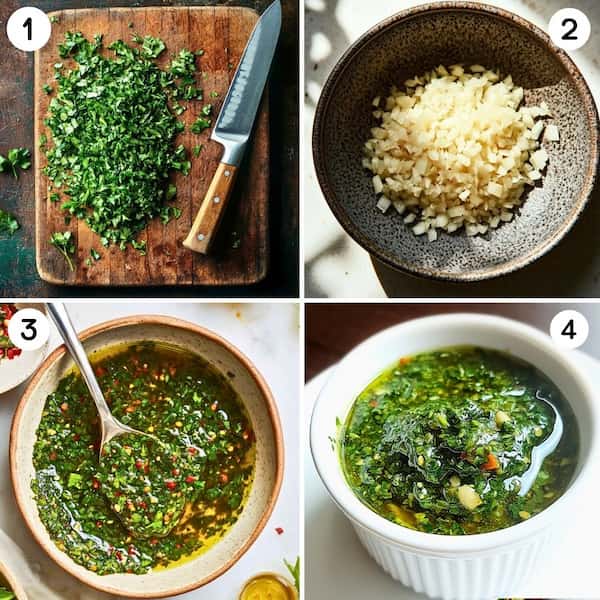
The foundation of chimichurri is fresh herbs — so don’t skimp.
Flat-leaf parsley is essential, but I love adding a little cilantro for extra brightness. Make sure you wash and dry your herbs well to avoid a watery sauce.
Pro tip: Remove the thicker parsley stems but keep the tender ones — they add flavor without being tough.
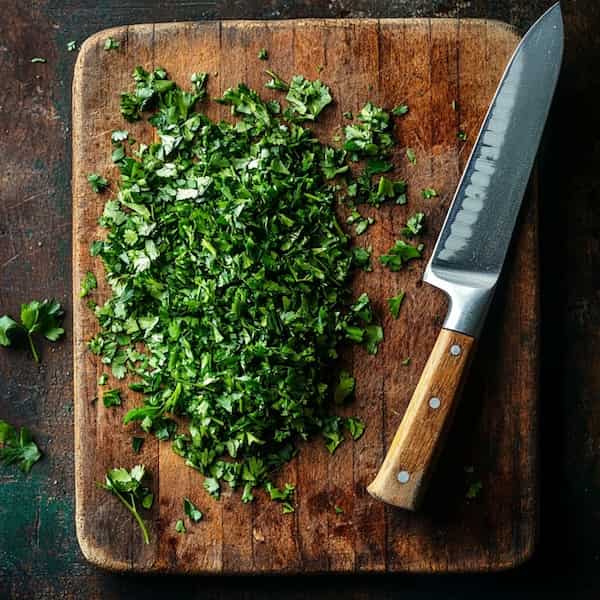
Chop them finely by hand. You can use a food processor if you want, but I find the hand-chopped version has better texture.
Building That Bold Flavor
The real power in chimichurri comes from its raw garlic punch and vinegary tang.
Peel and mince your garlic as fine as you can. If you love garlic (like me), go for five cloves. Want it milder? Start with three.
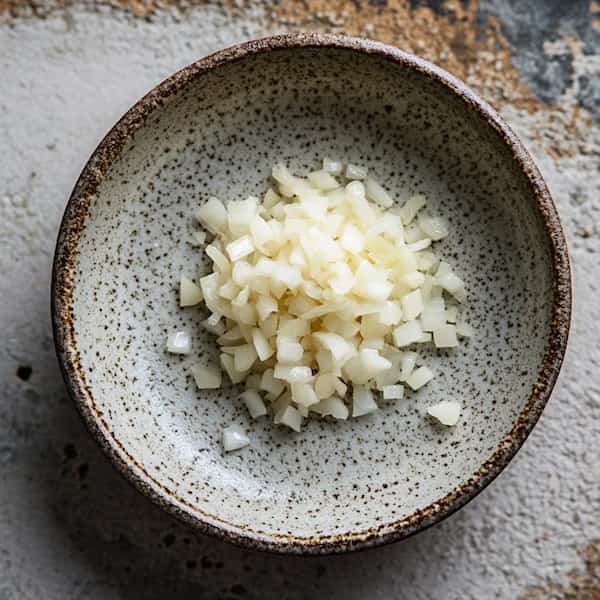
I like adding minced shallot too. It’s not traditional everywhere, but it gives the sauce a subtle sweetness and complexity that balances the sharpness of the garlic and vinegar.
Red wine vinegar is the classic acid here. It gives chimichurri its signature brightness. Don’t swap it for balsamic or apple cider vinegar — it changes the flavor entirely.
Mixing It All Together
Now comes the easiest part.
In a bowl, combine your chopped herbs, minced garlic, shallot, red pepper flakes, salt, pepper, and oregano if using. Add the red wine vinegar and stir to blend.
Slowly pour in the olive oil, mixing as you go until everything is well combined. You’ll get a chunky, loose sauce with beautiful green flecks suspended in rich, golden oil.
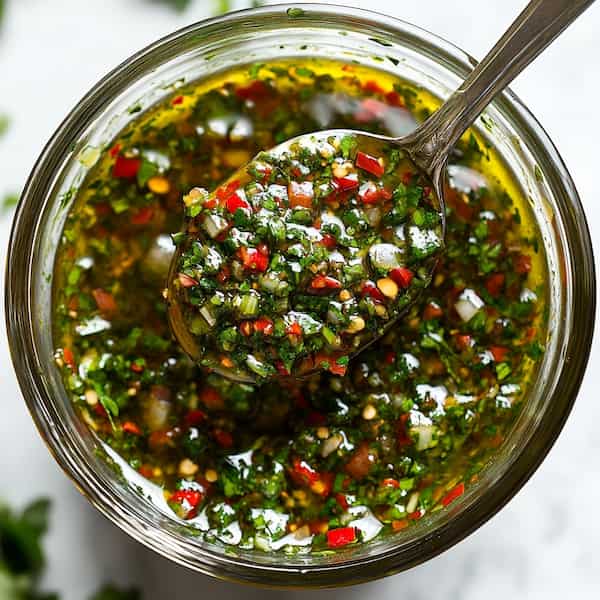
Taste and adjust. Need more salt? Vinegar? Heat? Make it yours. That’s the beauty of homemade chimichurri.
How to Use Chimichurri
Once you’ve made it, the possibilities are endless.
- Spoon it over grilled steak or chicken. It’s classic with beef, but equally good on pork or lamb.
- Drizzle over roasted or grilled vegetables. Check out our Grilled Veggies with Chimichurri for ideas!
- Spread on sandwiches or wraps for a fresh, herby kick.
- Top scrambled eggs or omelets.
- Use as a marinade for meats before grilling.
- Serve as a dipping sauce with crusty bread.
Honestly, I’ve even stirred it into mayo to make a killer sandwich spread.
Make It Your Own
One of the best things about chimichurri is how flexible it is. If you want it spicier, simply add more red pepper flakes or even a minced fresh chile for an extra kick.
Prefer a brighter, tangier bite? Increase the amount of vinegar or add a splash of fresh lemon juice to lift the flavors. If you’re a big fan of herbs, don’t hold back — add more cilantro, oregano, or even a touch of mint for a cool, refreshing twist.
And if you’re not into cilantro at all, you can easily skip it and go all-parsley for a more traditional, classic approach. There’s no single “right” recipe for chimichurri — just the one you love most, tailored exactly to your taste.
Tips for the Best Chimichurri
For truly great chimichurri, start with fresh herbs — old or wilted leaves just won’t give you that bright, clean flavor.
Chop everything finely by hand instead of using a food processor, which helps keep the texture rustic and beautiful rather than turning it into a paste. Balance the acid carefully; too much vinegar can quickly overwhelm the other flavors, so taste as you go and adjust if needed.
And don’t rush it — let it sit for at least 30 minutes, or even overnight in the fridge, so the flavors have time to meld into something really special.

Why Homemade is Worth It
Sure, you can buy chimichurri in a jar — but you’ll never get the same fresh, punchy flavor. Making it at home is faster than running to the store, costs less, and tastes infinitely better.
Plus, when you make it yourself, you can tweak it to perfection. Want it garlicky? Vinegary? Spicy? Milder? It’s completely up to you.
Homemade chimichurri is that secret ingredient that makes you look like a genius cook with almost no effort.
A Must-Try!
Chimichurri is one of those condiments that brings people together around the table. It’s bright, bold, and full of life — just like the meals you’ll serve with it.
Once you make it, you’ll wonder how you ever grilled without it. It’s the kind of recipe that lives in your back pocket, ready to elevate anything you cook.
So go grab a bunch of fresh herbs and give this a try. And while you’re at it, consider pairing it with something delicious from our Vegan Recipes section for a complete, flavor-packed meal.
Ingredients
Method
- Make sure you wash and dry your herbs well to avoid a watery sauce.
- Remove the thicker parsley stems but keep the tender ones . Chop them finely by hand. You can use a food processor if you want, but I find the hand-chopped version has better texture.
- Peel and mince your garlic as fine as you can. If you love garlic (like me), go for five cloves. Want it milder? Start with three.
- In a bowl, combine your chopped herbs, minced garlic, shallot, red pepper flakes, salt, pepper, and oregano if using. Add the red wine vinegar and stir to blend.
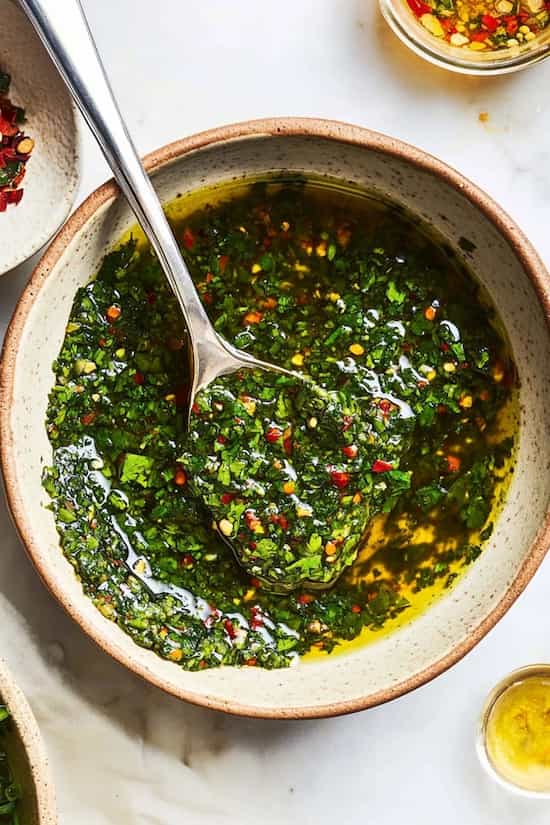
- Slowly pour in the olive oil, mixing as you go until everything is well combined. You’ll get a chunky, loose sauce with beautiful green flecks suspended in rich, golden oil.
- Taste and adjust. Need more salt? Vinegar? Heat? Make it yours. That’s the beauty of homemade chimichurri.
Notes
- Spoon it over grilled steak or chicken. It’s classic with beef, but equally good on pork or lamb.
- Drizzle over roasted or grilled vegetables. Check out our Grilled Veggies with Chimichurri for ideas!
- Spread on sandwiches or wraps for a fresh, herby kick.
- Top scrambled eggs or omelets.
- Use as a marinade for meats before grilling.
- Serve as a dipping sauce with crusty bread.