
If there’s one sauce that instantly transforms a dish from simple to restaurant-worthy, it’s hoisin sauce. Sweet, savory, and a little spicy, it brings that deep umami flavor you find in so many Asian-inspired recipes .
The first time I made hoisin sauce at home, I was shocked at how easy it was. I had always assumed it came from some complex secret recipe.
But with a few pantry staples and five minutes of your time, you can create a sauce that’s rich, balanced, and full of bold flavor .
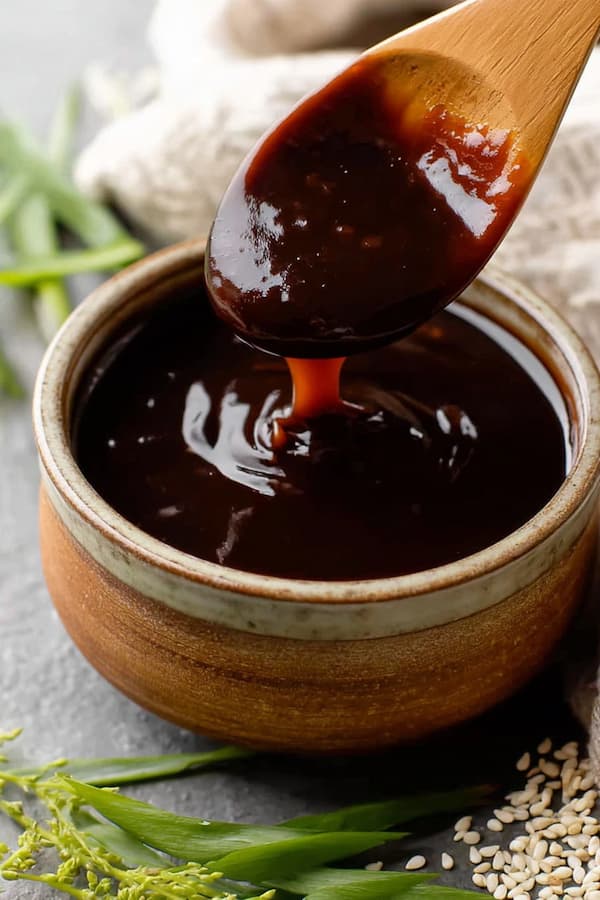
Why You’ll Love Homemade Hoisin Sauce
Hoisin sauce is often called the “Chinese barbecue sauce,” and for good reason — it’s thick, glossy, and packed with umami. But unlike store-bought versions, homemade hoisin lets you control everything: the sweetness, the saltiness, even the level of spice.
Once you make it yourself, you’ll taste the difference immediately. It’s fresher, more complex, and adaptable. I use it in stir-fries, as a glaze for tofu or chicken, and even as a dipping sauce for spring rolls or lettuce wraps. It’s that versatile.
Ingredients You’ll Need
- 4 tablespoons soy sauce (or tamari for gluten-free)
- 2 tablespoons peanut butter or black bean paste
- 1 tablespoon honey or brown sugar
- 2 teaspoons rice vinegar
- 1 teaspoon sesame oil
- 1 teaspoon sriracha or chili paste (optional for heat)
- ½ teaspoon garlic powder
- ¼ teaspoon ground ginger
- 1 tablespoon water (to thin, if needed)
Optional: a few drops of liquid smoke for a deeper, smoky note
Combine and Whisk
In a small mixing bowl, whisk together soy sauce, peanut butter, honey, rice vinegar, sesame oil, and sriracha until smooth. Add garlic powder and ginger, then stir again until everything is fully blended.
You’ll notice the sauce thickens as you whisk. If it’s too thick, add a splash of water to thin it out to your liking. I prefer mine just thick enough to cling to food but still pourable.
Adjust to Taste
The beauty of homemade sauces is that you can make them exactly the way you like. Want it sweeter? Add a touch more honey. Need more heat? Stir in extra sriracha or chili flakes.
Taste as you go — that’s how you’ll discover your perfect balance of salty, sweet, and tangy. Don’t be afraid to experiment a little; that’s half the fun.
Store for Later
Pour the sauce into a clean glass jar or airtight container and refrigerate. It’ll last for up to two weeks (if you don’t finish it sooner). The flavors actually deepen after a day or two, so it gets even better with time.
How to Use It
This is where homemade hoisin sauce really shines — it can be used in so many ways:
- Stir-fry sauce: Toss with noodles, vegetables, or tofu.
- Marinade: Brush it over chicken, pork, or eggplant before grilling or roasting.
- Dip: Serve with dumplings, lettuce wraps, or spring rolls.
- Glaze: Use it to coat roasted vegetables or baked salmon for a shiny finish.
I often mix it with a little lime juice and extra sesame oil for a quick dressing that turns any simple salad or grain bowl into something special.
Why Peanut Butter Works So Well
Traditional hoisin sauce is made from fermented soybeans or black bean paste, but peanut butter is a surprisingly effective substitute for home cooks. It adds that same creamy texture and earthy richness that balances out the soy sauce and vinegar.
If you can find black bean paste at an Asian grocery store, go for it — it’ll give the sauce a more authentic flavor. But if not, peanut butter keeps things simple and still delivers amazing results.
Tips for Perfect Hoisin Sauce
- Use low-sodium soy sauce if you want better control over the salt level.
- Always taste before storing — the flavors mellow slightly as it chills.
- Add a touch of lime juice or rice vinegar if it tastes too heavy.
- For a smoother texture, whisk thoroughly or blend for 10–15 seconds.
- If using it as a glaze, warm it slightly before brushing it on.
Fun Twists
Hoisin sauce is incredibly customizable. Try these variations next time:
Spicy version: Add chili oil or crushed red pepper flakes.
Garlic lover’s version: Stir in a minced fresh clove for extra punch.
Nut-free version: Use sunflower seed butter or tahini instead of peanut butter.
Extra smoky: Mix in a few drops of liquid smoke or smoked paprika.
Once you start playing around with it, you’ll realize hoisin sauce isn’t just a condiment — it’s a flavor base you can build all kinds of dishes around.
Why I Love This Recipe
Homemade hoisin sauce is one of those things that makes me wonder why I ever bought the jarred kind. It takes less than five minutes to make, and the flavor payoff is incredible.
I love that it brings instant depth to any meal — a drizzle here, a spoonful there, and suddenly your leftovers taste like takeout. It’s also a great example of how easy it can be to cook smarter at home — using what you already have to create something amazing.
Storing and Freezing
Store your hoisin sauce in an airtight container in the fridge for up to two weeks. If you make a large batch, you can freeze portions in small jars or silicone cubes for up to 3 months.
When you’re ready to use it again, thaw overnight in the fridge and give it a quick stir. The flavor stays rich and balanced even after freezing.
Final Thoughts
Hoisin sauce is one of those secret ingredients that makes any meal shine — and when it’s homemade, it’s even better. It’s bold, tangy, and deeply satisfying, the kind of sauce that turns basic stir-fries or roasted veggies into something crave-worthy.
The best part is how quick it is to make. You whisk everything together, adjust to your taste, and you’ve got a sauce that tastes like it came straight from your favorite Asian restaurant — but fresher, lighter, and made entirely by you.
Once you try it, I promise you’ll never go back to the bottled version again.
Can I Make Hoisin Sauce Without Peanut Butter?
Yes! If you’re allergic to peanuts or simply don’t have any on hand, you can use tahini, almond butter, or black bean paste instead. Each will give a slightly different flavor profile, but all work beautifully.
How Can I Make Hoisin Sauce Thicker or Thinner?
If your sauce feels too thin, whisk in a little more peanut butter or reduce the water. To make it thinner, just add a tablespoon of warm water at a time until you reach the desired consistency. It should coat a spoon without running off too quickly.