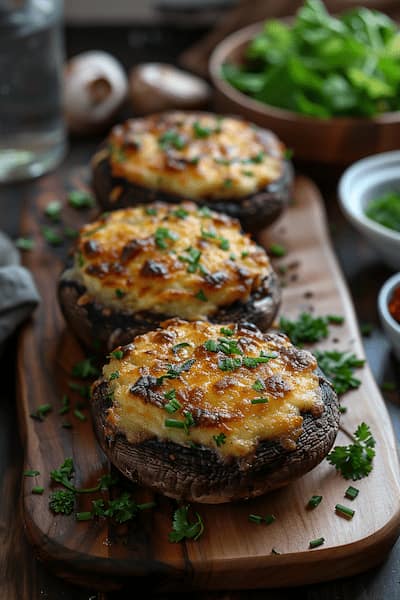
Bechamel is one of those kitchen classics I think everyone should know how to make. It’s simple — just butter, flour, and milk — but the result is magic: a silky, creamy sauce that’s the foundation for so many comforting dishes.
I first learned to make béchamel in my tiny apartment kitchen, whisk in one hand, cookbook propped open with a jar of pasta sauce. The first batch? Lumpy. The second? Still a little off. But the third time, I nailed it — smooth, thick, and so good I wanted to put it on everything.
That’s the thing about béchamel: once you get the feel for it, you’ll be making it without even looking at a recipe.

Ingredients
- 4 tablespoons unsalted butter
- 4 tablespoons all-purpose flour
- 3 cups whole milk, warmed
- ½ teaspoon salt (or to taste)
- ¼ teaspoon ground white pepper (black pepper works, too)
- Pinch of nutmeg (optional, but classic)
How to Make Bechamel
Place a medium saucepan over medium heat. Add the butter and let it melt completely, swirling the pan occasionally to prevent it from browning. You want it melted, not toasted.
Make the Roux
Once the butter is melted, sprinkle in the flour while whisking constantly. The mixture will come together into a paste — this is your roux. Keep whisking for about 1–2 minutes to cook off the raw flour taste. It should smell faintly nutty but still be pale in color.
Add the Warm Milk
Pour in the warm milk slowly, about ½ cup at a time at first, whisking vigorously after each addition to prevent lumps. Once you’ve incorporated the first cup or so, you can add the rest a little faster, still whisking constantly.
Simmer and Thicken
Keep whisking as the sauce heats. Within a few minutes, it will start to thicken. Once it reaches your desired consistency — usually like heavy cream or a bit thicker — reduce the heat to low.
Season
Stir in the salt, pepper, and nutmeg (if using). Taste and adjust seasoning if needed. If the sauce gets too thick, whisk in a splash more milk until it loosens up.
Use or Store
Use your béchamel right away, or cover it with a piece of plastic wrap pressed directly against the surface to prevent a skin from forming. It will keep in the fridge for up to 3 days — just reheat gently, whisking in a little extra milk if needed.
Why Béchamel Works So Well
Béchamel is one of the five “mother sauces” in classic French cooking. It’s simple, but it’s also incredibly versatile — it can be a base for cheesy Mornay sauce, a layer in lasagna, a binder for casseroles, or even a topping for vegetables. The mild flavor lets you build on it however you like.
The real beauty is in the texture. A good béchamel is smooth and velvety, coating the back of a spoon without feeling heavy. That balance of richness and lightness is what makes it such a go-to sauce.
Explore Different Variations
Once you’ve mastered the classic, you can make endless variations. Add shredded cheese for a mac and cheese base. Stir in sautéed onions and herbs for a rustic gravy. Use part cream for a richer sauce, or swap some milk for broth if you want something lighter.
You can also adjust thickness to suit your dish:
Thin béchamel: Great for drizzling over vegetables or fish. Use slightly more milk.
Medium béchamel: Perfect for lasagna or casseroles.
Thick béchamel: Works well as a filling or binder, like in croquettes.
How To Make It Perfect
Warm the milk first. Cold milk can cause lumps, so gently heat it in a small saucepan or microwave before adding it to the roux.
- Whisk constantly. It keeps the sauce lump-free and silky.
- Don’t rush the roux. Cooking it for at least a minute helps get rid of that raw flour flavor.
- Adjust seasoning at the end. The flavors will develop as the sauce cooks, so taste before adding extra salt.
How to Use Béchamel
Here’s where it really gets fun. You can use béchamel in so many ways:
- Lasagna: The creamy counterpoint to a rich tomato meat sauce.
- Mac and cheese: Stir in cheddar or Gruyère for a luscious cheese sauce.
- Croque monsieur: The French café sandwich wouldn’t be the same without it.
- Vegetable bakes: Pour over steamed broccoli or cauliflower, top with cheese, and bake.
- Moussaka: The Greek eggplant dish gets its signature topping from béchamel.
I’ve even been known to whisk in a little Parmesan and drizzle it over roasted potatoes for an indulgent side dish.
A Sauce Worth Mastering
Béchamel isn’t just a recipe — it’s a kitchen skill. Once you know how to make it, you have a foundation you can use in dozens of dishes, from weeknight dinners to holiday feasts. And because it’s so simple, it’s easy to tweak and adapt to whatever you’re cooking.
The next time you’re making lasagna, mac and cheese, or just want to dress up a pan of roasted vegetables, skip the store-bought and whisk up a batch of this creamy, silky sauce. It’s one of those little touches that makes a meal feel special.