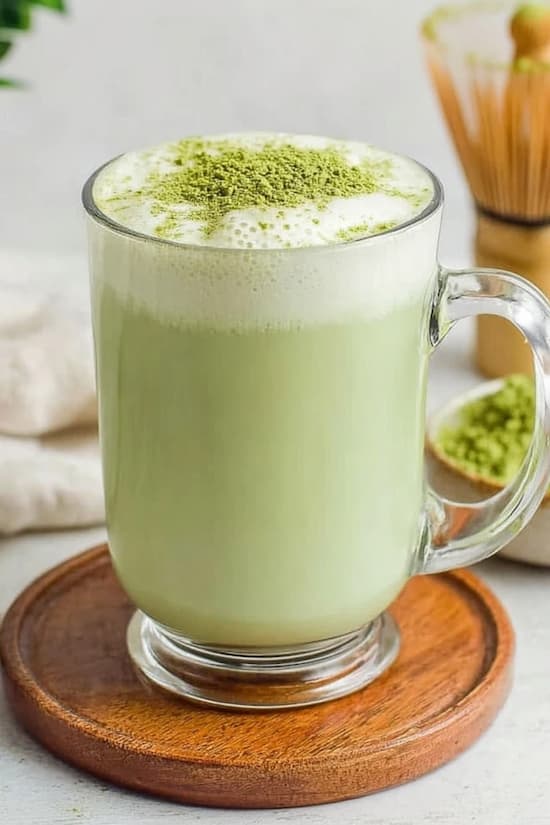
This homemade chai isn’t that syrupy, overly sweet stuff you get from a pump at a franchise; it’s a spicy, soul-warming concentrate made from real spices and patience.
Once you taste the bite of fresh ginger and the warmth of toasted peppercorns, you’ll never go back to the boxed versions again.

The Pantry
To get that authentic, deep amber color and the perfect spice-to-milk ratio, you need a few heavy hitters. This recipe makes enough for 2 large mugs, but you can easily double it and keep the concentrate in the fridge for a quick fix later in the week.
- 2 cups water
- 2 tablespoons loose-leaf black tea (Assam or Ceylon are best)
- 1.5 cups whole milk (or creamy oat milk)
- 1 small knob of fresh ginger, sliced thin
- 5 green cardamom pods, slightly crushed
- 1 cinnamon stick
- 3 cloves, whole
- 4 black peppercorns
- 1 star anise (optional)
- 2 tablespoons brown sugar or jaggery
Real Roots
If you’ve ever had “Chai Tea,” you might find it funny to learn that chai literally means tea in Hindi. So, asking for a chai tea is like asking for a “tea tea.” What we are actually making is Masala Chai, which translates to spiced tea.
It’s a staple of hospitality across India and South Asia, and every family has their own “secret” blend of spices passed down through generations.
The beauty of making this at home is that you are the boss of the spice rack. If you love that sharp, sinus-clearing heat, you can go heavy on the ginger and peppercorns. If you prefer something that tastes like a cozy dessert, you can lean into the cinnamon and cardamom. It’s an
Toast the Whole
Before any water hits the pan, toss your dry spices—the cardamom, cinnamon, cloves, and peppercorns—into the pot over medium heat. Let them toast for about 60 seconds. You’ll know they are ready when the kitchen starts to smell like a spice market. Toasting wakes up the essential oils that have been dormant in the dried spices, giving your latte a much more complex “high definition” flavor.
The Steep
Add your water and the fresh ginger slices to the toasted spices. Bring it to a rolling boil, then reduce the heat and let it simmer for at least five minutes.
This isn’t just about making tea; it’s about making a “decoction.” We want the water to pull every bit of essence out of those spices. The water should turn a deep, dark brown.
The Leaf
Now, add your black tea leaves. Unlike green tea, which is delicate, black tea is robust and needs high heat. Let the leaves steep in the simmering spice water for about 3 to 4 minutes.
If you leave them in too long, the tea will become “tannic,” which is that dry, puckering feeling on your tongue. We want strength, not bitterness.
Cream and Sweet
Pour in your milk and add the sugar. In a traditional chai, the milk and tea are boiled together rather than the milk being added cold at the end.
This allows the proteins in the milk to bind with the tea and spices, creating a much richer mouthfeel. Watch the pot closely here—milk loves to boil over the second you turn your back!
The Aeration
If you want to be truly “top-notch,” take a large ladle and scoop some of the chai up, then pour it back into the pot from a height. Repeat this a few times. This is called “pulling” the tea.
It introduces air into the liquid, creating a natural froth and mellowing out the intensity of the spices. It’s the original way to get that latte foam without a fancy machine.
Strain and Sip
Place a fine-mesh strainer over your favorite mugs and pour the chai through. Discard the spent spices and tea leaves. If you’re feeling extra, garnish with a tiny sprinkle of cinnamon or a star anise floating on top.
Pro Secrets
One thing that separates a hobbyist from a pro is the ginger. Don’t peel it! Just give it a good wash and slice it. The skin actually holds a lot of flavor. Also, try smashing the ginger slightly with the side of your knife before putting it in the water.
This breaks the cell walls and lets the juices flow more freely into the brew.
When it comes to the sweetener, brown sugar or maple syrup adds a caramel-like depth that white sugar just can’t match. If you can find jaggery (unrefined cane sugar) at an international market, use that. It has an earthy, molasses-heavy vibe that is the soulmate of black tea.
Common Mistakes
The biggest mistake is using tea bags instead of loose-leaf tea. Tea bags usually contain “dust and fannings,” which are the leftovers from the tea-making process. They release color quickly but lack the nuanced flavor profile of whole leaves.
If you must use bags, use three or four for this recipe to get the necessary strength.
Another pitfall is using a milk that is too thin. Skim milk or watery almond milk will make the chai feel “thin” and unsatisfying. If you’re going plant-based, oat milk or cashew milk are the best bets because they have a higher fat content that can stand up to the aggressive spices.
Why Is My Chai Not As “Strong” As What I Get In India?
If you find your chai feels a bit weak, it’s usually because of the “water-to-milk” ratio or the simmering time. In many traditional preparations, the tea is boiled for a significantly longer time than Westerners are used to. To get that punchy, “street-style” chai, try reducing the water by half or doubling the amount of tea leaves.
Also, ensure you are using a high-quality Assam tea; it’s known for its “malty” flavor which is strong enough to not get lost when you add the creamy milk. The longer you boil the tea leaves with the milk, the more “cooked” and caramelized the flavor becomes.
Can I Make This Recipe Caffeine-Free For The Evening?
Yes, and it makes for the perfect “sleepy time” treat. Simply swap the black tea for Rooibos (Red Bush) tea. Rooibos has a naturally sweet, nutty flavor that pairs beautifully with traditional chai spices, and because it’s naturally caffeine-free, you won’t be staring at the ceiling at 2:00 AM.
Alternatively, you can make a “Herbal Masala” by skipping the tea altogether and just simmering the spices in milk and water. It’s essentially a spiced milk drink that is incredibly soothing for the stomach before bed.