A good stir fry sauce is what separates a pan of vegetables and protein that tastes like it’s missing something from one that tastes like a proper meal — and it takes about two minutes to mix from pantry ingredients.
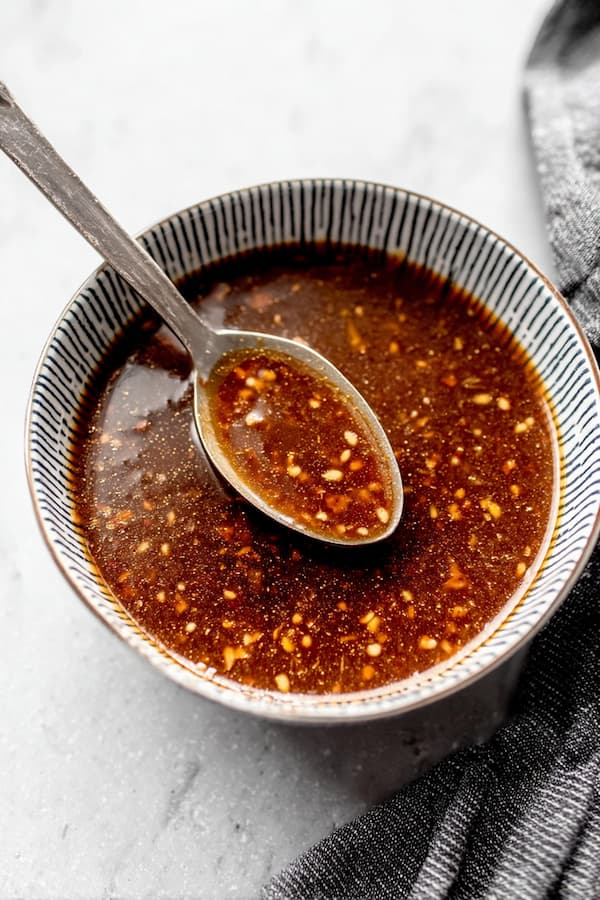
This version uses soy sauce, oyster sauce, sesame oil, garlic, ginger, and a cornstarch slurry to produce a sauce that clings to everything in the pan and thickens into a glossy coating rather than pooling at the bottom of the wok.
Make a batch, keep it in a jar in the fridge, and weeknight stir fries become significantly easier.
Ingredients
Makes: about 3/4 cup — enough for 2–3 stir fries serving 4 each
For the sauce:
- 1/4 cup soy sauce (low sodium works well)
- 2 tablespoons mushroom oyster sauce (or regular for non vegetarians)
- 1 tablespoon hoisin sauce
- 1 tablespoon rice vinegar
- 1 tablespoon sesame oil
- 1 tablespoon honey or brown sugar
- 3 cloves garlic, finely grated
- 1 teaspoon fresh ginger, finely grated
- 1/4 teaspoon white pepper
- 1/4 teaspoon red pepper flakes (optional)
- 2 tablespoons cornstarch
- 1/4 cup water (mixed with cornstarch to form the slurry)
Why You Must Try This Stir Fry Sauce Recipe
Most home stir fries taste flat or watery because the sauce isn’t balanced and doesn’t have anything to help it stick. This recipe solves both problems at once.
The combination of soy, oyster sauce, and hoisin creates a layered savory base — soy provides saltiness and umami, oyster sauce adds depth and slight sweetness, and hoisin brings a mild fermented quality that ties the other two together. The rice vinegar adds acidity that keeps the sauce from tasting heavy.
The cornstarch slurry is what transforms the liquid ingredients into a sauce that coats each piece of vegetable or protein and stays there as the dish cools. Without it, everything slides to the bottom of the bowl before the first bite.
Mix Everything Together
In a small bowl or jar, combine the soy sauce, oyster sauce, hoisin sauce, rice vinegar, sesame oil, honey, grated garlic, grated ginger, white pepper, and red pepper flakes if using. Stir or shake until everything is fully combined.
In a separate small bowl, whisk the cornstarch and water together until completely smooth with no lumps — this is your slurry, which goes into the sauce last.
Keep it separate until you’re ready to use the sauce, because cornstarch begins to settle at the bottom of a liquid mixture if it sits too long, and you’ll need to stir it again just before adding it to the pan.
Taste Before You Cook
Before the sauce goes anywhere near the pan, taste it. It should taste well-seasoned, slightly salty, a little sweet, and distinctly savory. The raw garlic and ginger will be quite sharp at this stage — that mellows significantly in the heat of the wok.
If it tastes too salty, add another small splash of rice vinegar and a little more honey. If it tastes too sweet, a dash more soy sauce or a small squeeze of rice vinegar balances it.
If the garlic or ginger isn’t coming through, add a little more of each — stir fry sauce gets diluted slightly by the moisture in the vegetables as it cooks, so the raw version should taste a little more intense than you want the final dish to be.
How to Use It in the Pan
Cook your vegetables and protein in a very hot wok or large skillet until done, then push everything to the sides of the pan. Give the sauce mixture a stir, then add the cornstarch slurry to the sauce bowl and mix together.
Pour the combined sauce into the center of the hot pan. It will begin to bubble and thicken almost immediately from the heat — stir continuously for 30 to 60 seconds as it thickens.
Once it has reached a glossy, coating consistency, toss everything together from the sides of the pan until all the ingredients are evenly coated. Don’t overcook after the sauce goes in — another 30 to 60 seconds of tossing is all it needs.
Serve Immediately
Stir fry is a dish that goes from pan to plate without delay. The vegetables continue to cook from residual heat and the sauce can over-thicken if the stir fry sits in the pan or on the plate for too long.
Have your rice or noodles ready before you start cooking. Serve the stir fry over steamed rice or toss through cooked noodles directly in the pan before plating.
Scatter sliced spring onions and toasted sesame seeds over the top if you have them — both add a finishing texture and flavor that complements the sauce well.
How To Make This Stir Fry Sauce Recipe Better
These changes adapt the sauce for specific uses or improve the depth:
Add Chinese five-spice. A pinch — and no more than a pinch — of five-spice powder adds a warm, slightly anise-like complexity that works particularly well in stir fries with mushrooms or eggplant. It’s easy to add too much, so start with a very small amount.
Use dark soy sauce for part of the light soy. Replace half the regular soy sauce with dark soy sauce. Dark soy is thicker, less salty, and adds a deeper color and slightly richer flavor. The finished stir fry will be darker in color and the sauce will taste more complex.
Make it spicier with chili garlic sauce. Replace the red pepper flakes with a tablespoon of sambal oelek or chili garlic sauce. The fresh chili flavor integrates differently into the sauce than dried flakes — more immediate heat rather than background warmth.
Add peanut butter for a satay-style sauce. Whisk in one tablespoon of smooth peanut butter and a squeeze of lime juice. This version works well with noodles and adds protein and richness to the sauce. Thin with a splash of warm water if it’s too thick.
Make it ahead and store in a jar. The sauce — without the cornstarch slurry — keeps in the fridge for up to 2 weeks. Add the cornstarch and water just before using. Keeping a ready-made jar in the fridge means stir fry is a genuinely fast weeknight meal rather than something that requires measuring six different things while the pan overheats.
Storage
Store the mixed sauce — without the cornstarch slurry — in a sealed jar in the fridge for up to 2 weeks. The garlic and ginger actually improve in flavor over the first few days as they infuse further into the soy and sesame base.
Keep the cornstarch and water separate and mix them fresh each time you use the sauce. Give the jar a shake before each use as the ingredients can separate slightly as they sit. The cooked stir fry itself stores in the fridge for up to 3 days — reheat in a pan over medium heat with a splash of water to loosen the sauce.
What Does Oyster Sauce Do in a Stir Fry?
Oyster sauce adds umami, body, and a mild sweetness to stir fry sauce that plain soy sauce alone can’t replicate. It’s made from oyster extract reduced with soy sauce and sugar into a thick, dark brown condiment that is savory without tasting fishy in the finished dish.
The sugar content in oyster sauce also contributes to the glossy caramelization that forms on vegetables and protein in a very hot wok — part of what gives restaurant stir fries their characteristic appearance and flavor.
If you’re cooking for someone who avoids shellfish, hoisin sauce is the closest vegetarian substitute and works well in this recipe. The flavor difference is noticeable but both versions are good.
Why Does My Stir Fry Sauce Turn Out Watery?
Watery stir fry sauce usually comes from one of three things. First, the vegetables release liquid into the pan as they cook — if the pan isn’t hot enough, they steam rather than sear, releasing far more water than a properly hot wok would allow.
Second, the cornstarch slurry wasn’t mixed properly or wasn’t used — cornstarch is what thickens the liquid into a coating sauce, and without it the sauce stays pourable. Third, too much sauce for the amount of food — the ratio matters, and more vegetables mean the sauce gets diluted further.
The fix is to start with a very hot pan, cook vegetables in batches rather than crowding them, and make sure the cornstarch is fully dissolved in the water before adding it to the pan.
A jar of stir fry sauce in the fridge changes what weeknight cooking looks like. The preparation time drops to chopping whatever vegetables you have, and the sauce handles everything else. Make a double batch and keep it on hand.
Ingredients
Method
- Combine soy sauce, oyster sauce, hoisin, rice vinegar, sesame oil, honey, garlic, ginger, white pepper, and red pepper flakes in a small bowl or jar. Stir or shake until fully combined.
- In a separate small bowl, whisk cornstarch and water together until completely smooth with no lumps. Keep separate from the sauce until ready to use — cornstarch settles if it sits too long.
- Taste the sauce before cooking. It should be savory, slightly salty, a little sweet, and well-seasoned. Adjust — more rice vinegar if too salty, more soy if too sweet, more honey if too sharp.
- Cook vegetables and protein in a very hot wok or skillet until done. Push everything to the sides. Stir the cornstarch slurry into the sauce, then pour the combined sauce into the center of the pan. Stir continuously for 30–60 seconds until glossy and thickened. Toss everything together to coat evenly.
- Serve over steamed rice or toss through cooked noodles. Top with sliced spring onions and toasted sesame seeds.
Notes
- Keep the cornstarch slurry separate until the moment you use it — it settles and needs a stir before adding
- Taste the raw sauce before cooking — it should be slightly more intense than you want the finished dish to be, as vegetables dilute it
- Make ahead: store the sauce without the cornstarch slurry in a sealed jar in the fridge for up to 2 weeks
- Give the jar a shake before each use — ingredients settle as they sit
- For a vegetarian version: replace oyster sauce with hoisin or mushroom sauce
- Use dark soy sauce for half the regular soy for deeper color and richer flavor
- Add 1 tablespoon peanut butter and a squeeze of lime for a satay-style variation
- Watery sauce fix: use a very hot pan, don’t crowd vegetables, and always use the cornstarch slurry