Lion’s Mane Mushroom (Hericium erinaceus) is a striking fungus known for its unique appearance and mild, seafood like flavor. Resembling a lion’s mane with its cascading spines, this mushroom has been used in traditional Chinese cooking and medicine for centuries.
Recently, it has gained popularity in the West as a gourmet mushroom with a texture similar to crab or lobster. Let’s dive deeper into what makes this mushroom so special.
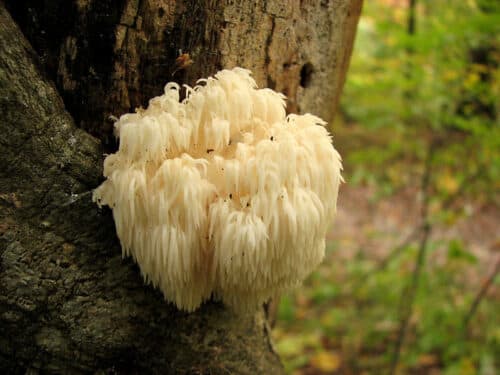
Identification Guide
Identifying Lion’s Mane is relatively easy due to its distinctive look. Here are the key features to look for:
- Shape and Appearance: this mushroom is easily recognizable by its white, fluffy, and pom-pom-like appearance. The spines or teeth, which can grow up to 2.5 centimeters long, hang down like icicles, giving the mushroom its characteristic look.
- Size: These mushrooms can vary in size but generally grow between 5 to 40 centimeters in diameter. They often form large, single clumps on the trunks of hardwood trees.
- Habitat: It typically grows on dead or dying hardwood trees such as oak, walnut, beech, and maple. You can find them in late summer and fall.
- Texture and Smell: The mushroom has a firm texture and a mild, seafood-like smell when fresh. When cooked, it takes on a more robust, savory aroma.
By familiarizing yourself with these features, you can confidently identify Lion’s Mane mushrooms in the wild.
Is lion’s mane mushroom Edible?
Yes, these mushrooms are not only edible but also highly sought after for their flavor and texture. When it comes to cooking, it offers a versatile and delicious option. Here are some reasons why it’s considered a gourmet delicacy:
- Flavor Profile: The taste of Lion’s Mane is often compared to seafood, particularly crab or lobster. This unique flavor makes it a great addition to various dishes.
- Texture: When cooked, they develop a meaty, tender texture that holds up well in various cooking methods.
- Nutrient-Rich: These mushrooms are packed with nutrients, including protein, fiber, vitamins, and minerals.
Foraging or purchasing from a trusted source ensures that you get a fresh and safe product to enjoy in your meals.
How to Cook Lion’s Mane
Cooking lion’s mane mushroom is simple, and their versatility allows for creativity in the kitchen. Here are some popular methods to prepare and enjoy them:
Sautéed Variation
Ingredients:
- Fresh lion’s mane mushroom
- Olive oil or butter
- Garlic, minced
- Salt and pepper to taste
Instructions:
- Clean the mushrooms by gently brushing off any dirt. Avoid washing them with water to prevent them from becoming soggy.
- Slice the mushrooms into thick pieces.
- Heat olive oil or butter in a pan over medium heat.
- Add minced garlic and sauté until fragrant.
- Add the mushroom slices and cook for about 5–7 minutes on each side until golden brown.
- Season with salt and pepper to taste.
- Serve as a side dish or add to salads, pastas, or sandwiches.
Lion’s Mane “Crab” Cakes
Ingredients:
- 1 pound of mushrooms, shredded
- 1 egg, beaten
- 1/4 cup mayonnaise
- 1 teaspoon Dijon mustard
- 1 teaspoon Old Bay seasoning
- 1/2 cup breadcrumbs
- Salt and pepper to taste
- Olive oil for frying
Instructions:
- In a bowl, mix shredded mushrooms, egg, mayonnaise, mustard, Old Bay seasoning, breadcrumbs, salt, and pepper until well combined.
- Form the mixture into patties.
- Heat olive oil in a pan over medium heat.
- Fry the patties for 3–4 minutes on each side until golden brown.
- Serve with a dipping sauce or as a sandwich filling.
Delicious Soup
Ingredients:
- Fresh mushrooms, chopped
- 1 onion, diced
- 2 cloves garlic, minced
- 4 cups vegetable broth
- 1 cup coconut milk
- Salt and pepper to taste
- Fresh herbs for garnish (optional)
Instructions:
- In a pot, sauté onion and garlic until translucent.
- Add chopped Lion’s Mane mushrooms and cook until they release their moisture and begin to brown.
- Pour in vegetable broth and bring to a boil. Reduce heat and simmer for 15–20 minutes.
- Add coconut milk and season with salt and pepper.
- Garnish with fresh herbs and serve hot.
Lion’s Mane mushrooms offer a delightful culinary experience while providing numerous health benefits. Whether you are a forager, a foodie, or someone interested in natural health remedies, adding Lion’s Mane to your diet can be a rewarding and nutritious choice.
Can You Eat Lion’s Mane Raw?
Yes, you can eat Lion’s Mane mushrooms raw, but it is not commonly recommended. When consumed raw, Lion’s Mane mushrooms have a spongy texture and a mildly bitter taste, which some might find unpalatable.
Cooking these mushrooms not only enhances their flavor, making them taste similar to seafood like crab or lobster, but also improves their texture, rendering them tender and meaty.
Moreover, cooking can help break down any potential toxins and increase the bioavailability of their beneficial compounds, such as polysaccharides and beta-glucans.
Therefore, while it is safe to eat Lion’s Mane mushrooms raw, cooking them is a better choice to fully enjoy their taste and health advantages.