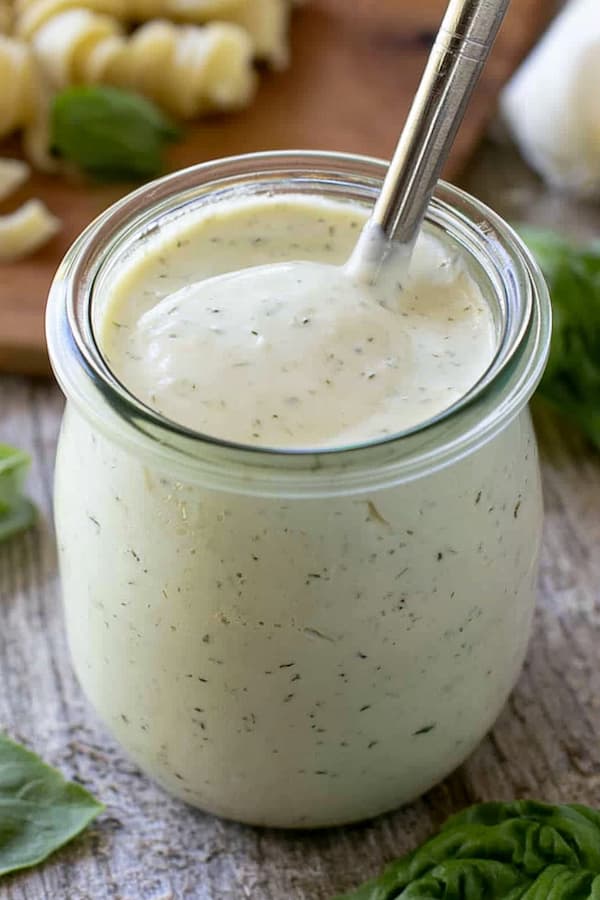
This Olive Garden alfredo sauce recipe is a close copycat of the restaurant version — creamy, garlicky, and rich without being heavy — and it comes together in about 15 minutes on the stovetop.
The sauce uses real butter, heavy cream, and freshly grated parmesan, which is what gives it that smooth, restaurant-quality texture that jarred sauce can never match. Once you make it at home, going back to the bottled version stops making sense.
Ingredients
Serves: 4–6 (makes enough for 1 lb of pasta)
For the alfredo sauce:
- 1/2 cup (1 stick) unsalted butter
- 2 cups heavy cream
- 3 cloves garlic, minced
- 2 cups freshly grated parmesan cheese (not pre-shredded)
- 1/4 teaspoon white pepper
- 1/4 teaspoon garlic powder
- 1/8 teaspoon nutmeg
- Salt to taste
- 2–3 tablespoons reserved pasta water (to loosen if needed)
To serve:
- 1 lb fettuccine, cooked al dente
- Extra parmesan for topping
- Fresh basil leaves
- Cracked black pepper
Why You Must Try This Olive Garden Alfredo Sauce Recipe
The Olive Garden alfredo is one of the most requested copycat recipes for a reason — it’s a sauce that’s simple on paper but hard to replicate when you don’t know what makes it work. The answer is freshly grated parmesan, real butter, and the right heat.
Pre-shredded cheese has anti-caking agents that prevent it from melting smoothly, which is why homemade alfredo often turns grainy. This recipe skips those shortcuts. You get a sauce that’s silky all the way through, with a garlic note that stays in the background rather than taking over.
It takes 15 minutes and tastes like you spent much longer.
Start With Butter and Garlic
Melt the butter in a large, wide skillet or saucepan over medium-low heat. Add the minced garlic and cook for about 2 minutes, stirring often, until it softens and smells fragrant. Don’t let the garlic brown — you want it soft and mellow, not sharp or bitter.
This is the base of the whole sauce, so taking your time here matters. A wide pan also gives the cream more surface area to reduce evenly, which helps with the final texture. If you use a small saucepan, the sauce can take longer to come together and is more prone to scorching.
Add the Cream
Pour in the heavy cream and stir it into the butter and garlic. Increase the heat slightly to medium and bring the cream to a gentle simmer — not a full boil. Let it cook for 4 to 5 minutes, stirring occasionally, until it reduces slightly and starts to thicken.
You’ll know it’s ready when it coats the back of a spoon and holds a line when you run your finger through it. Don’t rush this step by turning the heat up too high.
High heat causes the cream to separate and the butter to break, which leads to a greasy sauce rather than a smooth one.
The Parmesan Goes In Last
Turn the heat down to low before adding the parmesan. This is the most important step in the whole recipe. If the sauce is too hot when the cheese goes in, it will seize and turn grainy rather than melting smoothly.
Add the parmesan in two or three batches, stirring well between each addition. Use freshly grated cheese from a block — the difference in texture compared to pre-shredded is significant and immediately noticeable. Once all the cheese is in, stir in the white pepper, garlic powder, and nutmeg.
Taste and add salt if needed — the parmesan is already salty, so taste before you add.
Toss With Pasta
Cook your fettuccine until just al dente and scoop out a cup of pasta water before draining. Add the drained pasta directly to the skillet with the sauce and toss well over low heat.
The pasta finishes cooking in the sauce, which helps it absorb flavor and thicken the sauce further as the starch from the pasta is released. If the sauce feels too thick at this stage, add pasta water one tablespoon at a time and keep tossing.
The sauce should cling to the noodles without pooling at the bottom of the pan. Serve immediately — alfredo waits for no one.
How To Make This Olive Garden Alfredo Sauce Recipe Better
The base recipe is reliable and close to the restaurant version, but these additions take it further:
Use a mix of parmesan and pecorino. Swapping half the parmesan for pecorino romano adds a sharper, saltier edge that gives the sauce more depth. It’s still creamy but less one-note.
Add cream cheese for extra body. A tablespoon or two of cream cheese stirred in with the cream makes the sauce thicker and slightly tangier. It also helps it hold together better if you’re making it ahead.
Finish with a small knob of cold butter. Stirring in a tablespoon of cold butter right at the end — off the heat — gives the sauce a glossy finish and adds richness without making it heavier.
Add grilled chicken or shrimp. The sauce is substantial enough to carry protein. Season simply with salt, pepper, and garlic before grilling and serve on top rather than stirred in so both elements stay distinct.
Stir in a handful of baby spinach at the end. It wilts into the hot sauce in about 30 seconds and adds color and a mild flavor without changing the overall profile of the dish.
Storage
Store leftover sauce in an airtight container in the fridge for up to 3 days. Reheat it gently in a saucepan over low heat, stirring constantly and adding a splash of cream or milk to bring it back to the right consistency.
Don’t reheat it on high heat or it will break and separate. If you’ve already tossed the sauce with pasta, store that together and reheat with a little extra cream in a pan.
Alfredo sauce doesn’t freeze well because the cream separates when thawed, so make only what you need or plan to use the leftovers within a few days.
Why Is My Alfredo Sauce Grainy?
Grainy alfredo almost always comes down to one of two things — the cheese or the heat. Pre-shredded parmesan contains anti-caking agents that prevent it from melting cleanly into a sauce, which is why the texture turns gritty instead of smooth. Always grate parmesan from a block.
The other common cause is adding cheese to a sauce that’s too hot. When parmesan hits cream that’s boiling or close to it, the proteins seize up rather than melt. Turn the heat to low before the cheese goes in and add it gradually.
If your sauce has already gone grainy, a splash of warm cream whisked in over very low heat can sometimes bring it back, but prevention is easier than the fix.
Can You Make Alfredo Sauce Without Heavy Cream?
You can, but the result will be noticeably different. Heavy cream has enough fat to emulsify with the butter and cheese and hold the sauce together without breaking.
Lower-fat alternatives like half-and-half or whole milk will produce a thinner sauce that’s more prone to separating. If you use half-and-half, reduce the heat even further and add a teaspoon of flour or cornstarch mixed with a little cold water to help thicken it.
A tablespoon of cream cheese also helps bind a lower-fat sauce. For a dairy-free version, full-fat canned coconut cream is the closest substitute — it has the fat content needed to behave similarly, though the flavor will be slightly different.
Homemade alfredo sauce is one of those recipes that takes less time than most people expect and tastes better than what you get from a jar every single time. Get the parmesan right, keep the heat low, and the sauce will come together exactly as it should.
Ingredients
Method
- Melt butter in a large wide skillet over medium-low heat. Add minced garlic and cook for 2 minutes, stirring often, until soft and fragrant. Do not let it brown.
- Pour in the heavy cream and stir to combine. Increase heat to medium and bring to a gentle simmer. Cook for 4–5 minutes, stirring occasionally, until the cream reduces slightly and coats the back of a spoon.
- Reduce heat to low. Add parmesan in 2–3 batches, stirring well between each addition until fully melted and smooth. Stir in white pepper, garlic powder, and nutmeg. Taste and season with salt as needed.
- Add drained fettuccine directly to the skillet. Toss over low heat until the sauce clings to every strand. Add reserved pasta water one tablespoon at a time if the sauce needs loosening.
- Divide between bowls. Top with extra parmesan, cracked black pepper, and fresh basil. Serve immediately.
Notes
- Always grate parmesan from a block — pre-shredded won’t melt smoothly
- Keep heat low when adding cheese to prevent a grainy sauce
- Add cream cheese for extra body and thickness
- Reheat leftovers gently on the stovetop with a splash of cream — never on high heat
- Sauce does not freeze well — make only what you need